

Moving to Australia?
Despite the relaxed culture and endless sunny beaches, Australia has some of the world’s strictest biosecurity controls, designed to protect the country from pests and diseases that could affect our environment, agriculture and native species.
Every unaccompanied household goods shipment arriving in Australia is subject to biosecurity inspection.
Before inspection takes place, quarantine-approved personnel within Overseas Packers & Shippers review and screen the shipment inventory to identify items that need to be presented to Australian Biosecurity officers.
All items considered to present a potential biosecurity risk are identified for inspection. A percentage of timber and other relevant items may also be inspected, with the level of inspection varying depending on factors including the country of origin and the biosecurity risk associated with the shipment.
This screening process helps ensure the appropriate items are readily available when Biosecurity officers attend our facility.
What Are Biosecurity Officers Looking For?
Biosecurity officers are primarily looking for anything that could introduce soil, plant material, insects, animal products, seeds or other biological material into Australia.
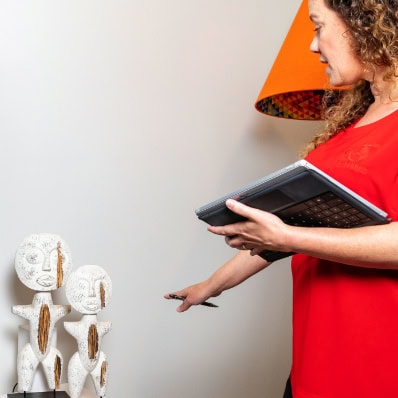
Items that have been used outdoors or come into contact with soil, plants, animals or fresh water are particularly important. Decorative items can also present a biosecurity risk because they may contain natural materials that are not immediately obvious.
- Garden tools and outdoor equipment
- Bicycles and scooters
- Golf clubs and sporting equipment
- Camping and hiking equipment
- Outdoor furniture
- Shoes and boots
- Barbecues
- Vacuum cleaners
- Pet equipment
- Fishing and water-sports equipment
- Timber, cane, bamboo and other natural materials
- Christmas decorations and other seasonal decorations
Christmas & Seasonal Decorations
Christmas, Halloween and other seasonal decorations are items that customers can easily overlook when preparing for Australian biosecurity.
Decorations of all types are inspected, even when they appear to be predominantly artificial. This is because decorative wreaths, garlands, table decorations, ornaments and other seasonal items can contain natural materials such as pine cones, seeds, bark, untreated timber, dried plant material or other organic products.
If you are unsure whether a decoration contains natural material, ask your Moving Coordinator
How the Biosecurity Inspection Process Works
Before your shipment arrives, our quarantine-approved personnel screen the packing inventory to identify the items that need to be presented for Biosecurity inspection.
All identified biosecurity-risk items are selected, together with the applicable percentage of timber and other items required for inspection. The extent of inspection varies depending on factors including the country of origin and current Australian biosecurity requirements.
1. Your Shipment Arrives at Our Depot
Once your shipment arrives at the Overseas Packers & Shippers depot, our experienced team unpacks the shipment and checks the items against the screened inventory. This allows us to locate and separate the goods that have been identified for Biosecurity inspection.
2. Inspection Items Are Separated and Secured
Anything identified for Biosecurity inspection is placed into a secure storage module specifically awaiting inspection. These goods remain securely stored until the next scheduled attendance by Biosecurity personnel at our facility.
3. The Rest of Your Shipment Remains Securely Stored
Items that do not require Biosecurity inspection are kept separate from the inspection goods. Depending on the size of the shipment, these belongings are placed into another secure storage module or one of our own containers, where they remain securely stored while the Biosecurity process is completed.
This means the goods requiring inspection are clearly identified and readily accessible without unnecessarily handling the remainder of your shipment.
4. Biosecurity Officers Attend Our Facility
Biosecurity personnel attend our facility and inspect the items that have been identified and set aside for examination. Because our team has already screened the inventory, unpacked the shipment and separated the relevant items, the goods requiring inspection are ready for the Biosecurity officer when they arrive.
5. If Cleaning or Treatment Is Required
If a Biosecurity officer identifies soil, contamination or another biosecurity concern, they will determine what action is required. Depending on the item and the issue identified, this may include cleaning, another approved treatment, export from Australia or destruction.
Any cleaning, treatment, re-inspection or other action directed by Biosecurity can involve additional charges. For this reason, it is very important that outdoor, sporting, camping, gardening and similar items are thoroughly cleaned before packing and are completely free from soil, seeds, insects, plant material and other biosecurity risks.
Taking the time to make sure these items are spotless before they leave origin can help reduce the risk of treatment costs, re-inspection charges and delays once the shipment arrives in Australia.
A significant advantage of our Brisbane facility is our approved quarantine/biosecurity wash bay.
If Biosecurity directs that an item be cleaned to remove soil or other contamination, many cleaning requirements can be completed on site at our facility, rather than having the item transported to another location.
Following cleaning, the item will need to be presented to Biosecurity again for re-inspection before it can be released. If a type of treatment is required, our Imports team will explain the process, available options and applicable charges before proceeding.
6. Clearance and Delivery
Once the required Biosecurity inspection and any directed treatment or re-inspection have been completed, the shipment can proceed through the remaining clearance process.
Our Imports team then coordinates the next stage of your move, including delivery to your new home or storage if required. Throughout the process, your Imports Coordinator keeps you informed and lets you know if Biosecurity identifies anything requiring further action.
Help Us Make Your Clearance as Straightforward as Possible
Before your belongings leave your country of origin, we provide information about Australian Customs and biosecurity requirements.
You can help minimise unnecessary delays, treatment costs and re-inspection charges by:
- Providing a clear and detailed packing inventory
- Declaring items that may be of biosecurity concern
- Thoroughly cleaning outdoor, sporting, camping and gardening equipment before packing
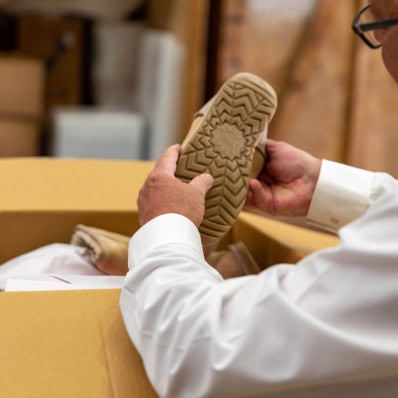
- Ensuring shoes and other outdoor items are free from soil and plant matter
- Checking Christmas, Halloween and seasonal decorations for pine cones, seeds, bark and other natural materials
- Asking us about anything you are unsure of before your shipment departs
A detailed inventory is particularly important because it allows our quarantine-approved personnel to accurately screen your shipment before Biosecurity inspection.
What Can and Cannot I Bring Into Australia?
Because Australian biosecurity requirements can change and can depend on the particular item and country of origin, the table below should be used as a general guide. For current requirements relating to a particular product or material, refer to the Australian Government Department of Agriculture, Fisheries and Forestry or or ask our Imports team before including the item in your shipment.
Goods/Possessions Information Table
Legend
 Inspection Service for advice about importing these products
 Must Be Treated – In some cases there may be a treatment cost
 Inspection Required – will be inspected and treated if necessary. Some items in this class may be prohibited
Search below for specific rulings on different types of Food:
| FOOD | RULES |
|---|---|
| BEANS, PEAS, CEREAL SEEDS includes handicrafts and souvenirs that contain or are made from these seeds | |
| BISCUITS, CAKES, CONFECTIONERY includes chocolate, sweets, crisps, roasted nuts, pretzels |  |
| EGGS includes whole, dried, powdered and uncooked egg products |  |
| FRUIT and VEGETABLES – FRESH (cooked, dried, frozen, canned or bottled are allowed) | |
| FRUIT and VEGETABLES – DRIED includes mushrooms, citrus peel or dried banana | |
| HONEY includes royal jelly and propolis | |
| BEE PRODUCTS includes honey comb and beeswax | |
| MEAT- UNCANNED and ALL PORK PRODUCTS includes fresh, dried, frozen, smoked or salted | |
| MILK and MILK PRODUCTS includes all products that contain milk ingredients (NZ dairy products and up to 1kg of baby formula per infant are allowed) | |
| OTHER FOODS includes herbs and spices, breakfast cereals, Vegemite, flour, roasted coffee beans, jam, nutritional/dietary supplements | |
| POPPING CORN, RAW UNROASTED NUTS includes raw peanuts, chestnuts (NZ chestnuts are allowed) | |
| SALMON AND TROUT PRODUCTS ask about special import conditions | |
| TEAS, COFFEE, KAVA, JUICE and OTHER DRINKS containing milk and/or eggs are prohibited | |
Search below for specific rulings on different types of Animal Material:
| ANIMAL MATERIAL | RULES |
|---|---|
| ANIMALS – LIVE includes birds, birds’ eggs, fish, reptiles and insects | |
| ANIMALS – STUFFED (some may be prohibited by environmental laws) must be prepared by a taxidermist and have a certificate | |
| BONES, HORNS, FEATHERS, SEASHELLS must be clean and free of blood, skin, faeces or soil | |
| RAWHIDE includes rawhide drums, shields, other artifacts | |
| SKINS, HIDES must be professionally tanned or cured (some may be prohibited by environmental laws) | |
| WOOL, ANIMAL HAIR wool must be scoured and hair cleaned | |
Search below for specific rulings on different types of Plant Material:
| PLANT MATERIAL | RULES |
|---|---|
| FLOWERS – FRESH and LEIS (flowers that may be propagated – for example, roses, carnations and chrysanthemums – are prohibited) | |
| FLOWERS – DRIED arrangements containing grape vine, pine cones, cereal/grain seeds, straw will be treated | |
| HANDICRAFTS and CURIOS includes carvings, items woven from palm fronds or leaves (banana leaf items are prohibited) | |
| PINE CONES includes wreaths, decorations and dried arrangements |  |
| PLANTS – LIVE includes cuttings, roots, bulbs, corms, rhizomes and stems | |
| POTPOURRI | |
| SEEDS small commercial packets, seed ornaments, necklaces (beans, corn and lettuce are prohibited) | |
| STRAW OBJECTS includes corn dollies, wreaths and cereal grain decorations | |
| WOODWARE, BAMBOO includes coconut carvings, cane baskets | |
Search below for specific rulings on Other Material:
| OTHER MATERIAL | RULES |
|---|---|
| ANIMAL EQUIPMENT – USED includes saddles, bridles, bird cages, grooming and veterinary equipment | |
| BIOLOGICAL MATERIALS includes human & animal vaccines, veterinary therapeutics | |
| HERBAL MEDICINES/REMEDIES (some may require a Permit) | |
| HOLY WATER | |
| PACKING MATERIAL/STUFFING includes fruit cartons, straw, raw cotton and raw wool (most other packing material is allowed) | |
| SOIL, SAND includes items filled with soil or sand | |
| THERAPEUTIC MEDICINES (some may require a Permit) | |
| VITAMIN/MINERAL SUPPLEMENTS, NUTRITIONAL/DIETARY SUPPLEMENTS (some may require a Permit) | |

We take over the complicated process of moving…
Helping our clients pack, organise insurance, liaise with shipping officials on their behalf and unpack at the end of the move.
Learn more about our process
